
Negotiating in Today’s Southwest Colorado Real Estate Market: Tips for Buyers and Sellers

If you're buying or selling a home in Durango, Bayfield, La Plata County, or elsewhere in Southwest Colorado, understanding how to negotiate in today's real estate market can make a meaningful difference in your transaction.
Real estate negotiation is about much more than the purchase price. Pricing strategy, closing costs, inspection requests, financing, contingencies, and closing timelines can all influence the outcome of a deal.
As market conditions change, buyers and sellers need to adjust their strategies rather than rely on what worked a few years ago. Buyers may have more opportunities to negotiate on certain properties, while sellers may need to pay closer attention to pricing, competition, and buyer feedback.
I'm Ashley Blackmore with Blackmore Group Realty, and I work with buyers and sellers throughout Durango, La Plata County, and Southwest Colorado. In this guide, I'll explain how both sides can approach negotiations, identify opportunities, and make informed decisions in today's market.
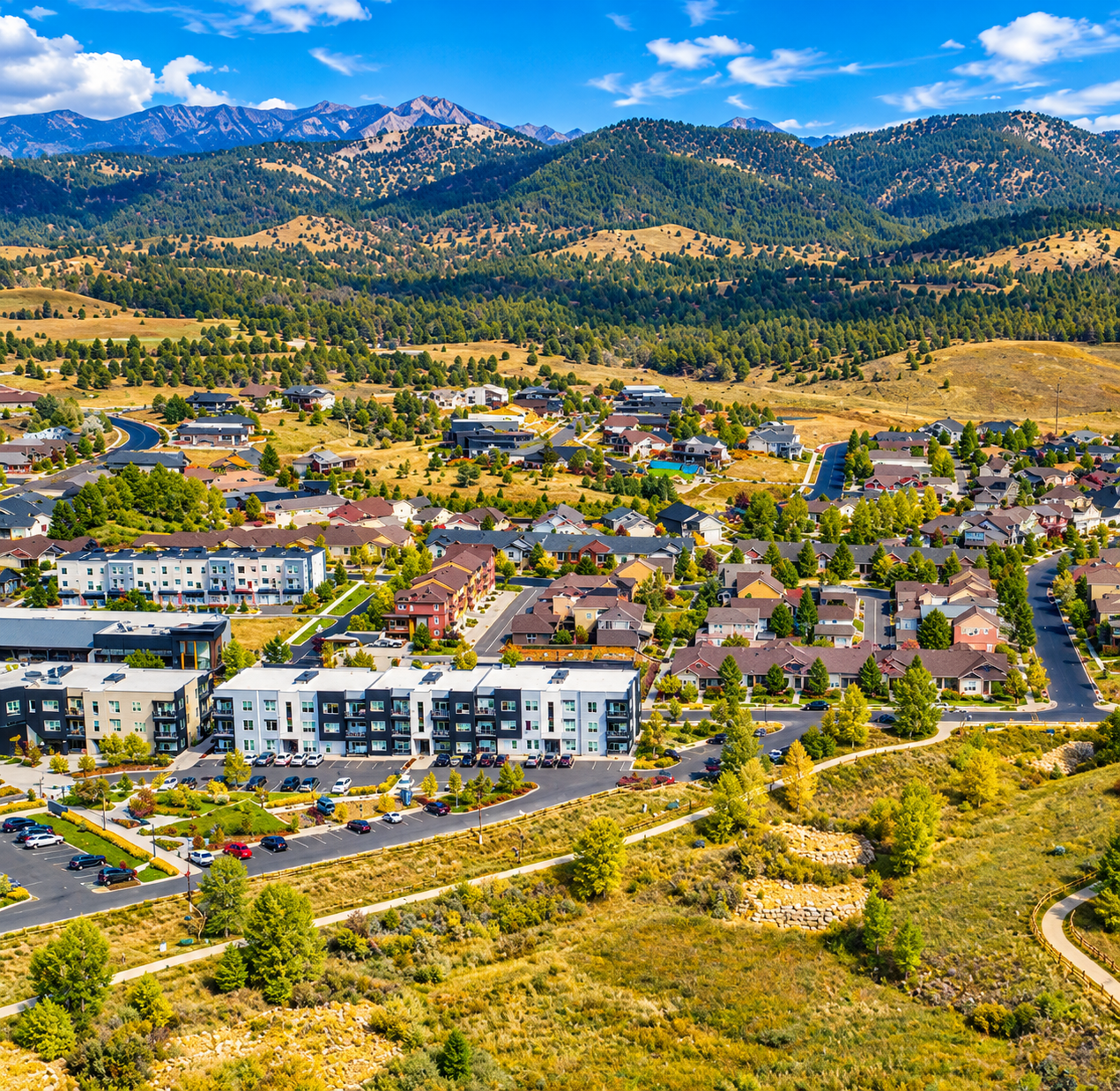
Understanding Today's Southwest Colorado Real Estate Market
A more balanced real estate market doesn't automatically mean home prices are falling or that sellers have lost their negotiating power. It means buyers and sellers may have more room to discuss the terms of a transaction, depending on the property, price range, and local competition.
In some situations, homes may take longer to sell, buyers may have more properties to compare, and sellers may receive offers that include requests for closing cost assistance, repairs, or other concessions.
These conditions can change how a transaction unfolds.
Instead of focusing exclusively on how high a buyer needs to offer or how much a seller can expect to receive, both parties should consider what makes the overall deal work.
For buyers, that means understanding the property's market value and identifying reasonable opportunities to negotiate. For sellers, it means pricing competitively, evaluating offers carefully, and recognizing which terms matter most.
Southwest Colorado also has a diverse real estate market. A home in downtown Durango may attract a different buyer than an acreage property in the Animas Valley, a ranch near Bayfield, or a luxury mountain home. Negotiation strategies should reflect those differences.
Negotiation Tips for Home Sellers
1. Price Your Property Strategically From the Beginning
One of the most important decisions a seller makes is choosing the right listing price.
It can be tempting to list above market value to leave room for negotiation. However, an asking price that is too high may discourage qualified buyers from scheduling a showing or submitting an offer.
Today's buyers can compare listings, review recent sales, track price reductions, and evaluate how long properties have been on the market. If your home appears overpriced compared with similar properties, buyers may move on to other options.
An extended time on the market can also lead to additional expenses and repeated price adjustments.
Strategic pricing doesn't mean selling your property for less than it's worth. It means understanding the competition and positioning your home to attract serious buyers.
For Southwest Colorado sellers, that requires looking beyond broad market trends. Factors such as acreage, water rights, views, outbuildings, access, location, and property condition can influence value.
A comparative market analysis can help establish a realistic pricing strategy based on comparable sales, active competition, and the characteristics of your property.
2. Evaluate the Entire Offer, Not Just the Purchase Price
The highest offer isn't always the strongest offer.
When reviewing an offer, sellers should consider several factors:
-
Purchase price: How does the offer compare with the property's market value and your financial goals?
-
Financing: Does the buyer have a credible financing plan or appropriate proof of funds?
-
Contingencies: What inspection, appraisal, financing, or other conditions apply?
-
Closing timeline: Does the proposed closing date work with your plans?
-
Seller concessions: Is the buyer requesting closing cost assistance, an interest rate buydown, or other credits?
-
Certainty of closing: How likely is the transaction to proceed successfully under the proposed terms?
For example, a buyer may offer a strong purchase price but request assistance with closing costs. Another buyer may offer less but have fewer contingencies or a timeline that better fits your needs.
The right choice depends on the complete financial picture and the level of risk associated with each offer.
Before accepting or rejecting an offer, review the estimated net proceeds and consider how the terms align with your priorities.
3. Understand When Seller Concessions Make Sense
Seller concessions can be an effective negotiation tool when used strategically.
Depending on the transaction and the buyer's loan program, a seller may agree to contribute toward eligible closing costs or an interest rate buydown. These concessions can help make a purchase more affordable for the buyer without requiring the seller to reduce the asking price by the same amount.
However, concessions are not automatically the best solution. Their value depends on the buyer's financing, applicable lender limits, the seller's net proceeds, and the overall terms of the contract.
Sellers should evaluate each request individually and work with their broker and, when appropriate, the buyer's lender to understand the options.
4. Respond to Market Feedback Without Panicking
A property that doesn't receive an offer during its first week on the market isn't necessarily overpriced. However, repeated feedback from buyers can reveal opportunities to improve the listing strategy.
Pay attention to:
-
Showing activity and buyer interest.
-
Feedback about price, condition, or features.
-
Comparable homes that recently went under contract or sold.
-
Competing listings and their price adjustments.
-
Changes in the type and strength of offers being received.
If a property receives consistent showings but no offers, it may be worth reviewing the price, presentation, or terms. If competing homes are attracting buyers while yours remains on the market, it's important to understand why.
Patience can be valuable, but it should be informed patience. Sellers who respond thoughtfully to market conditions may be better positioned to attract a qualified buyer.

Negotiation Tips for Home Buyers
5. Make Offers Based on Market Value, Not Guesswork
Buyers may have opportunities to negotiate, but that doesn't mean every property is a candidate for a low offer.
An offer should reflect the property's value, condition, competition, and the seller's circumstances whenever those factors can be established.
Before submitting an offer, consider:
-
How long has the property been listed?
-
Has the seller reduced the price?
-
What have comparable properties actually sold for?
-
Are similar properties available nearby?
-
Does the property need repairs or improvements?
-
Are there competing offers?
-
What terms might matter to the seller?
A property that has been on the market for several months may present a different negotiating opportunity than a recently listed home attracting substantial interest.
The goal is to identify a reasonable offer supported by available information, not simply to offer less and hope the seller accepts.
6. Consider Negotiating Terms Beyond the Purchase Price
Sometimes the most useful negotiation isn't a reduction in the purchase price.
Depending on the circumstances, buyers may benefit from negotiating:
-
Seller contributions toward eligible closing costs.
-
An interest rate buydown, subject to lender approval.
-
Repairs or other agreed-upon remedies following an inspection.
-
A closing date that accommodates the buyer's schedule.
-
A possession arrangement that meets both parties' needs.
-
Specific personal property or fixtures, where appropriate and documented.
For example, a buyer may prefer assistance with eligible closing costs over a modest reduction in price because the immediate cash savings better support their budget.
Another buyer may prioritize repairs to a significant property issue.
Before negotiating, identify your main priorities and discuss the available options with your real estate broker and lender. The best outcome is the one that supports your financial position and long-term plans.
7. Use Contingencies to Protect Your Interests
Contingencies are important protections in a real estate contract. Depending on the agreement, they may address inspections, financing, appraisal, title, or other due diligence requirements.
Buyers should understand what each contingency covers, the applicable deadlines, and the consequences of waiving or failing to satisfy it.
This is particularly important in Southwest Colorado, where property conditions and infrastructure can vary considerably.
For example, a rural property may require additional investigation into its water source, septic system, access, easements, or insurance availability.
Buyers should conduct appropriate due diligence within the contractual timelines. At the same time, a well-organized offer with realistic deadlines can help establish confidence between the parties.
The goal isn't to give up important protections to make an offer look stronger. It's to balance reasonable protections with a transaction structure that works for everyone.

Why Local Due Diligence Matters in Southwest Colorado
Buying a home in Durango or the surrounding communities can involve considerations that differ from those of a typical suburban property.
Depending on the location and property type, buyers may need to investigate:
-
Wells and water supply: Determine the source of water, applicable permits, and any relevant restrictions.
-
Septic systems: Review inspection requirements, system condition, and applicable local regulations.
-
Water rights and irrigation: Understand the documentation, permitted uses, and any limitations associated with the property.
-
Private roads and access: Review easements, maintenance agreements, and legal access.
-
Wildfire exposure and insurance: Investigate property-specific risks, insurance availability, and potential coverage costs.
-
Rural infrastructure: Evaluate propane systems, utilities, outbuildings, and other property features.
-
Acreage and land use: Review applicable zoning, access, and permitted uses relevant to your plans.
These details can influence a property's usability, ongoing expenses, and overall value. They can also become important during negotiations.
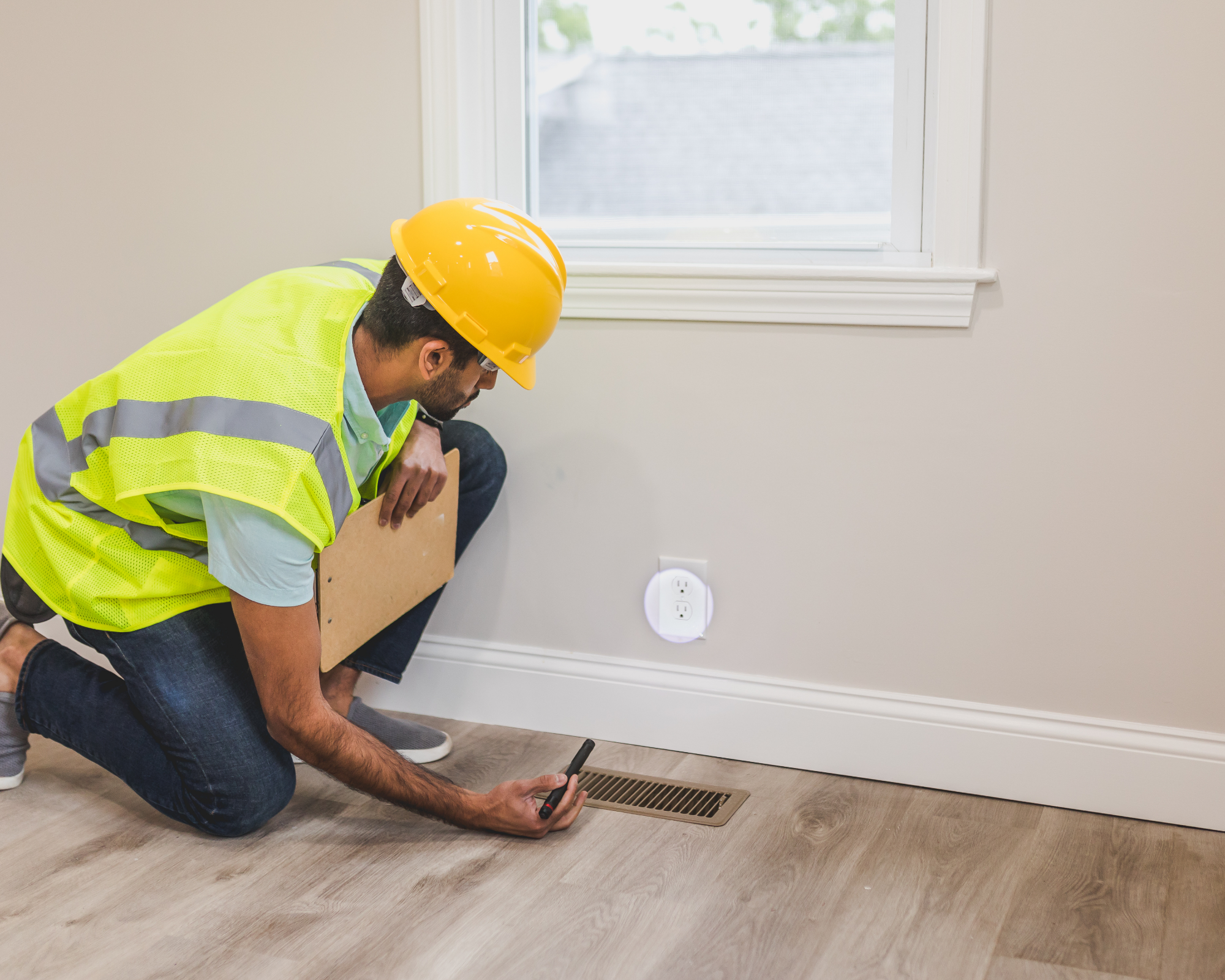
If an inspection identifies a concern, the next step is to understand its significance. What needs to be addressed? What might it cost? Does it affect safety, financing, insurability, or intended use?
Depending on the findings, the parties may discuss repairs, credits, further investigation, or other contractually appropriate solutions.
Not every maintenance issue warrants a major concession. The goal is to make decisions based on the actual condition of the property and the terms of the agreement.
How to Navigate Multiple Rounds of Negotiation
Negotiations can become frustrating when buyers and sellers exchange several counteroffers without making meaningful progress.
A buyer may focus on securing a lower price, while a seller may feel that the offer doesn't adequately reflect the property's value. Both sides can become attached to a number and lose sight of the larger transaction.
When negotiations stall, it helps to revisit the priorities behind each position.
Suppose the parties are $10,000 apart on a higher-priced property. Before walking away, consider whether another part of the transaction could help bridge the gap.
Possible options may include:
-
Adjusting the purchase price or an agreed-upon credit.
-
Changing the closing date.
-
Discussing a suitable possession arrangement.
-
Negotiating specific repairs or improvements.
-
Including agreed-upon personal property.
-
Revisiting other contract terms that matter to either party.
Any agreement should be documented appropriately in the contract.
Not every disagreement can be resolved, and neither side should feel pressured to accept terms that don't meet their needs. However, looking at the entire transaction can reveal solutions that aren't obvious when the discussion focuses exclusively on price.
Why Communication Is Essential to a Successful Negotiation
One of a real estate broker's most important responsibilities is understanding what matters to both parties.
A seller may need a particular closing date because they're purchasing another home. A buyer may have a strict budget for upfront costs. Another seller may prioritize a reliable closing, while a buyer may need sufficient time to complete due diligence.
These priorities can create opportunities to structure an agreement that works for everyone.
Clear communication helps identify those opportunities before frustration takes over. It also helps both parties understand which terms are flexible and which are essential.
A successful negotiation doesn't require one side to win every point. It requires an agreement that makes sense financially, addresses the relevant risks, and gives both parties a reasonable path to closing.
Does Negotiating Differ by Property Type?
Yes. Negotiation strategies can vary considerably across Southwest Colorado's diverse real estate market.
A condominium in Durango, a single-family home in Bayfield, a horse property in the Animas Valley, and a rural ranch may attract different buyers and involve different due diligence requirements.
For example:
-
In-town homes: Buyers and sellers may focus on comparable sales, property condition, financing, and closing costs.
-
Acreage properties: Access, land use, utilities, water, and outbuildings may play a larger role.
-
Horse properties and ranches: Buyers may need to evaluate fencing, barns, water availability, usable acreage, and other specialized features.
-
Luxury homes: Unique amenities, location, views, and a smaller pool of comparable properties can affect pricing and negotiation.
-
Rural homes: Wells, septic systems, private roads, insurance, and infrastructure can be central to due diligence.
-
Investment properties: Buyers may consider operating costs, rental potential, applicable regulations, and expected returns.
These are general considerations, not rules that apply to every property. The most effective strategy depends on the property's individual characteristics, current competition, and the goals of the buyer or seller.
What Does a Successful Real Estate Negotiation Look Like?
A successful negotiation isn't necessarily one in which the buyer secures the biggest discount or the seller receives the highest possible offer.
For buyers, success means purchasing a property at terms they understand and can comfortably support, with appropriate due diligence and protections.
For sellers, success means achieving a satisfactory financial outcome while evaluating the certainty, timing, and conditions of the transaction.
For both parties, reaching the closing table with a clear understanding of their obligations is an important part of the process.
That requires knowing when to push for better terms, when to compromise, and when a proposed agreement simply isn't the right fit.
In a market where buyers and sellers may have more options, informed decision-making matters more than ever.

Buying or Selling in Southwest Colorado? Let's Talk Strategy.
If you're planning to buy or sell a property in Durango, Bayfield, La Plata County, or elsewhere in Southwest Colorado, don't rely solely on what the market was doing two or three years ago.
Your negotiation strategy should reflect current market conditions, comparable properties, your financial goals, and the specific characteristics of the property involved.
At Blackmore Group Realty, we help buyers and sellers evaluate their options, understand the terms of an offer, and develop strategies that align with their goals.
Whether you're buying your first home, selling a longtime family property, purchasing acreage, or navigating a luxury or ranch transaction, understanding the entire deal can help you make more informed decisions.
Thinking about buying or selling in Southwest Colorado? Reach out to discuss your property, your goals, and the opportunities available in today's market.
🎥 Watch This Week's Video
Want to hear me discuss these negotiation strategies and examples? Watch this week's video for more insights into navigating today's Southwest Colorado real estate market.
Ashley Blackmore, Broker
Blackmore Group Realty
📞 Call or text: (970) 903-7477
📧 ashley@homesforsaledurango.com
🌐 Ashley Blackmore Homes
Thinking about making a move in Southwest Colorado? Let's talk about your options and build a strategy around your goals.
Thinking about buying or selling in Southwest Colorado? Call or text Ashley and let's talk about your options.
Recent Posts






Leave a reply