
Durango Schools and Buying a Family Home in 9-R

Durango Schools and Buying a Family Home in 9-R
When families relocate to Durango, schools usually come up before square footage. Makes sense. Where your kids go to school shapes daily life more than almost anything about the house itself. The commute, the friendships, the activities, all of it flows from that one decision. So it is worth getting the school picture right before you lock in a neighborhood. A little homework here saves a lot of second-guessing later.
So let's talk about Durango School District 9-R, what it's actually like, and how families think about neighborhoods and homes around it. I'll keep the stats grounded in real sources, because school numbers get exaggerated online constantly.
The basics on District 9-R
Durango School District 9-R covers the city and a big swath of the surrounding area. It runs somewhere around 13 to 14 schools serving roughly 4,300 to 5,300 students depending on the source and year, with a student-teacher ratio of about 13 to 1 (Public School Review and Niche, 2026). The superintendent is Dr. Karen Cheser (Durango School District, 2026).
On performance, the district lands in the top 30 percent of Colorado school districts on combined math and reading proficiency, with a graduation rate around 85 percent that's climbed over recent years (Public School Review, 2026). Those are solid numbers for a small mountain district, and they track with what I hear from families who've moved here for the schools.
One thing to know going in. The district has been open about enrollment declines and the budget questions that come with them (Durango School District, 2026). That's a reality in a lot of mountain towns where housing costs make it hard for young families to stay. It doesn't change the quality of the teaching, but it's part of the honest picture.
The schools themselves
The district spans elementary, middle, and high schools across the area. Elementary options include Animas Valley, Florida Mesa, Fort Lewis Mesa, Needham, Park, and Riverview, among others. Middle schoolers go to Escalante or Miller. At the high school level there's Durango High School plus Durango Big Picture High School, a smaller project-based option, and a couple of additional choices including a connections academy (Public School Review and SchoolView, 2026).
Durango High School in particular has earned recognition, ranking well within Colorado, with Advanced Placement coursework and dual-enrollment opportunities through the local college (US News, 2026). Families I work with tend to be happy with the variety of options, from the traditional comprehensive high school to the smaller, more individualized programs.
The district also leans into its setting. There's an outdoor learning lab, a career innovation center on the high school campus, and a general emphasis on the place-based learning that a mountain town can actually deliver. Kids here grow up with rivers and trails as part of the curriculum, more or less.
Beyond academics, the activities matter to a lot of families, and Durango delivers there. The high schools field competitive athletics, and the town's outdoor culture means strong programs and clubs around skiing, mountain biking, and the rivers, alongside the usual sports, music, and arts. For a kid who lives to be outside, this is a place where that's woven into school life rather than treated as a distraction. If your family has a young athlete, an aspiring musician, or a budding river guide, ask each school about its specific programs, because the smaller schools sometimes punch above their weight in ways the rankings never capture.
Families with kids who need extra support should dig into services directly. The district runs special education and gifted-and-talented programming, but the right fit depends on your child's specific needs and the specific school, so meet with the people who'd actually be working with your kid. That conversation tells you more than any rating ever will. Ask about caseloads, the specialists on staff, and how they've handled situations like yours, and you'll learn quickly whether a given school is set up to support your child the way you need.
How families pick neighborhoods
Here's where the home search and the school question intersect.
Some families want to be close to a specific school, especially for elementary-age kids, so the morning routine is short and they can walk or bike. Others prioritize the neighborhood feel, the lot size, or the price point and are happy to drive. Both are valid. There's no single right answer.
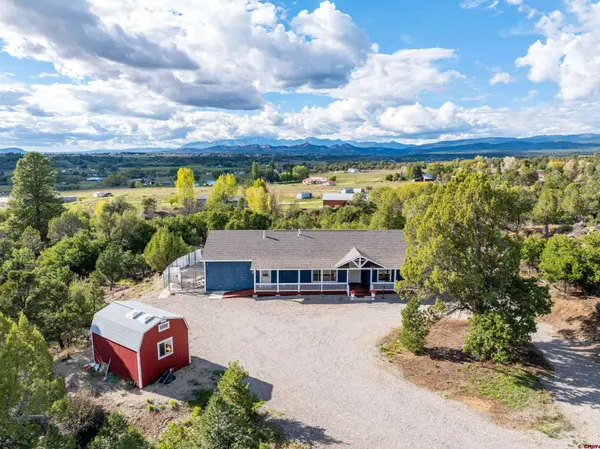
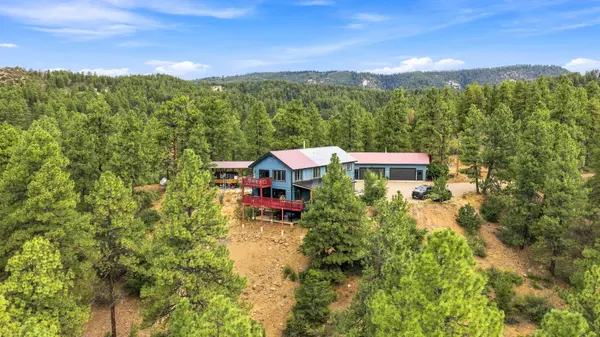
A practical reality of a rural-ish district. Some homes sit well outside town, and bus service and commute times vary. If you're looking at a property out in the county, ask specifically about the bus route and the drive to school, because "in the district" can still mean a real daily haul. That's a question worth answering before you fall for a place fifteen minutes up a dirt road.
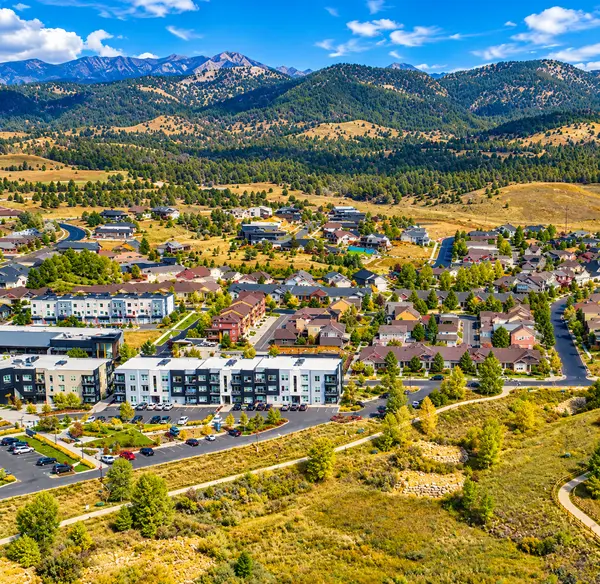
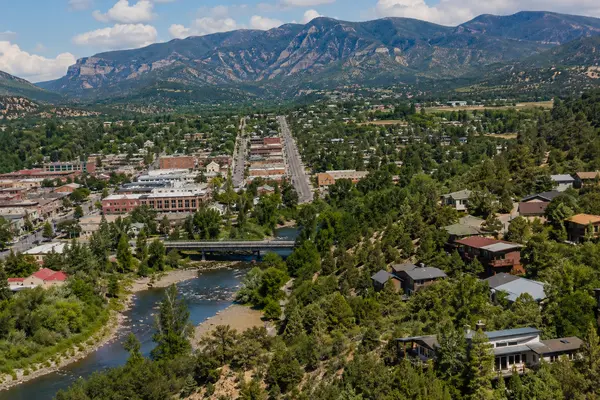
Newer family-friendly neighborhoods like Three Springs near Mercy Hospital and Edgemont Ranch to the east tend to draw families for the newer homes, the trails, and the community feel. Established neighborhoods closer to downtown trade newer construction for walkability and mature trees. The Animas Valley north of town gives you more room and a rural feel within a reasonable drive. Each fits a different family's priorities.
Don't forget the buyer basics
Schools matter, but they don't override the fundamentals of buying a home here. Whatever neighborhood you land in, you're still buying a Durango home, which means the usual local checks apply.
Radon testing, because La Plata County averages about 5.5 pCi/L and roughly half of homes test above the EPA action level (La Plata County Public Health, 2026). A thorough inspection, including well and septic if the home's outside city service. And confirmation of access and the systems if you're looking rural. A great school zone doesn't fix a bad septic system. Buy smart on the house and the schools both.
A note on doing your own homework
School ratings sites are a starting point, not gospel. Different sites use different methods and report different numbers, which is why the enrollment and rating figures vary source to source. Test scores don't capture everything that makes a school right for your kid, either. The class sizes, the specific teachers, the programs, the culture, those matter as much as a composite score.
So visit. Tour the schools your kids would attend. Talk to other parents. Ask the district directly about enrollment, programs, and boundaries, since boundaries can shift. Pair that legwork with a home search that fits your family's priorities and you'll land somewhere that works for all of you, not just on paper.
School choice and your options
One thing worth understanding before you anchor your whole home search to a single school's boundary. Colorado has open enrollment, which means families can request to enroll in schools outside their assigned boundary, subject to space and the district's policies. So your neighborhood doesn't always lock you into one specific school the way it might in some states.
That gives you flexibility, but don't lean on it blindly. Popular schools fill up, and choice slots aren't guaranteed, so the assigned neighborhood school is still the safe assumption when you're picking where to live. If a particular school matters intensely to you, ask the district directly how choice enrollment has worked there recently before you bank on getting in. And know the picture can shift year to year, especially with the district navigating enrollment changes (Durango School District, 2026).
Beyond the public district, Durango has some private and charter options too, including faith-based schools and smaller alternative programs. They're worth a look if you want something specific, though they come with their own tuition, admissions, and waitlist realities. The point is, families here have more than one path, and a good local agent can at least point you toward the right questions even though we're not school counselors.
The outdoor-school advantage
Here's something that genuinely sets Durango schools apart, and it's hard to capture in a test score. The setting is part of the education.
The district runs an outdoor learning lab and leans into place-based learning that a mountain town can actually deliver, plus a career innovation center on the high school campus (Durango School District, 2026). Kids here grow up with rivers, trails, and mountains woven into school life in a way that's tough to replicate in a flatland suburb. There's a culture of getting outside, and for a lot of families, that's a big part of why they move here in the first place.
For families who value that, Durango is a strong fit, and it's worth weighing alongside the raw numbers. A school's composite rating tells you something, but it won't tell you that your kid will learn to read a river or build something real in a shop class with the La Platas out the window. Tour, ask, and picture your specific kid in the place. That's the part the rating sites can't score.
Frequently Asked Questions
How good are Durango's schools?
District 9-R lands in the top 30 percent of Colorado school districts on combined math and reading proficiency, with a graduation rate around 85 percent (Public School Review, 2026). Durango High School ranks well within the state and has AP and dual-enrollment options (US News, 2026). Most families I work with are satisfied.
How many schools are in Durango School District 9-R?
Roughly 13 to 14 schools depending on the source and year, including elementary, middle, and high schools, serving about 4,300 to 5,300 students with a student-teacher ratio near 13 to 1 (Public School Review and Niche, 2026).
Which Durango neighborhoods are popular with families?
Newer neighborhoods like Three Springs and Edgemont Ranch draw families for the newer homes and trails, while established areas closer to downtown offer walkability and mature trees. The Animas Valley gives more space within a reasonable drive. The right fit depends on your priorities.
Do rural homes near Durango have school bus service?
It varies by location. Some rural areas have bus routes and some commutes are long, so ask specifically about the route and drive time for any property outside town before buying. "In the district" doesn't always mean close to school.
Should I still get a home inspection if I'm buying for the schools?
Absolutely. School quality doesn't change the home's condition. You still want radon testing, given La Plata County's elevated levels (La Plata County Public Health, 2026), plus a full inspection and well and septic checks on rural homes.
Can my kids attend a Durango school outside our neighborhood?
Colorado has open enrollment, so families can request schools outside their assigned boundary, subject to space and district policy. Slots aren't guaranteed and popular schools fill up, so treat the assigned neighborhood school as the safe assumption and ask the district how choice enrollment has worked recently.
Are there private or charter school options in Durango?
Yes, Durango has some private, faith-based, and smaller alternative or charter programs alongside the public district. They come with their own tuition, admissions, and waitlist considerations, so look into them directly if you want a specific alternative to the neighborhood school.
Looking for the right home in the right school zone?
Matching a family's school priorities to the right neighborhood and a sound home is exactly the kind of thing local knowledge makes easier. Ashley Blackmore and the team at HOMESFORSALEDURANGO.COM help families find homes that fit both their kids' schools and their budget across Durango and La Plata County.
Call (970) 444-2431 or reach out through HOMESFORSALEDURANGO.COM.
Recent Posts

Leave a reply