Buying a Home with Septic in La Plata County, Colorado? What Buyers and Sellers Need to Know

If you’re buying or selling a home with a septic system in La Plata County, Colorado, there’s one important step you don’t want to overlook before closing.
Here in Southwest Colorado, septic systems are common, especially in rural areas around Durango, Bayfield, Ignacio, Hesperus, and the surrounding countryside. If you’re purchasing a home on acreage or selling a property outside city limits, understanding how the septic system works and what the county requires can help you avoid unexpected expenses and delays.
I’m Ashley Blackmore with Blackmore Group Realty, and I want to walk you through what buyers and sellers should know about septic inspections, La Plata County’s Continued Use Permit, and how to prepare for a smoother real estate transaction.

Why Septic Systems Matter When Buying or Selling a Home
When you’re looking at a property, it’s easy to focus on the home itself, the views, the acreage, and the location. But if the property uses a private septic system, that system deserves just as much attention as the roof, foundation, or other major components of the home.
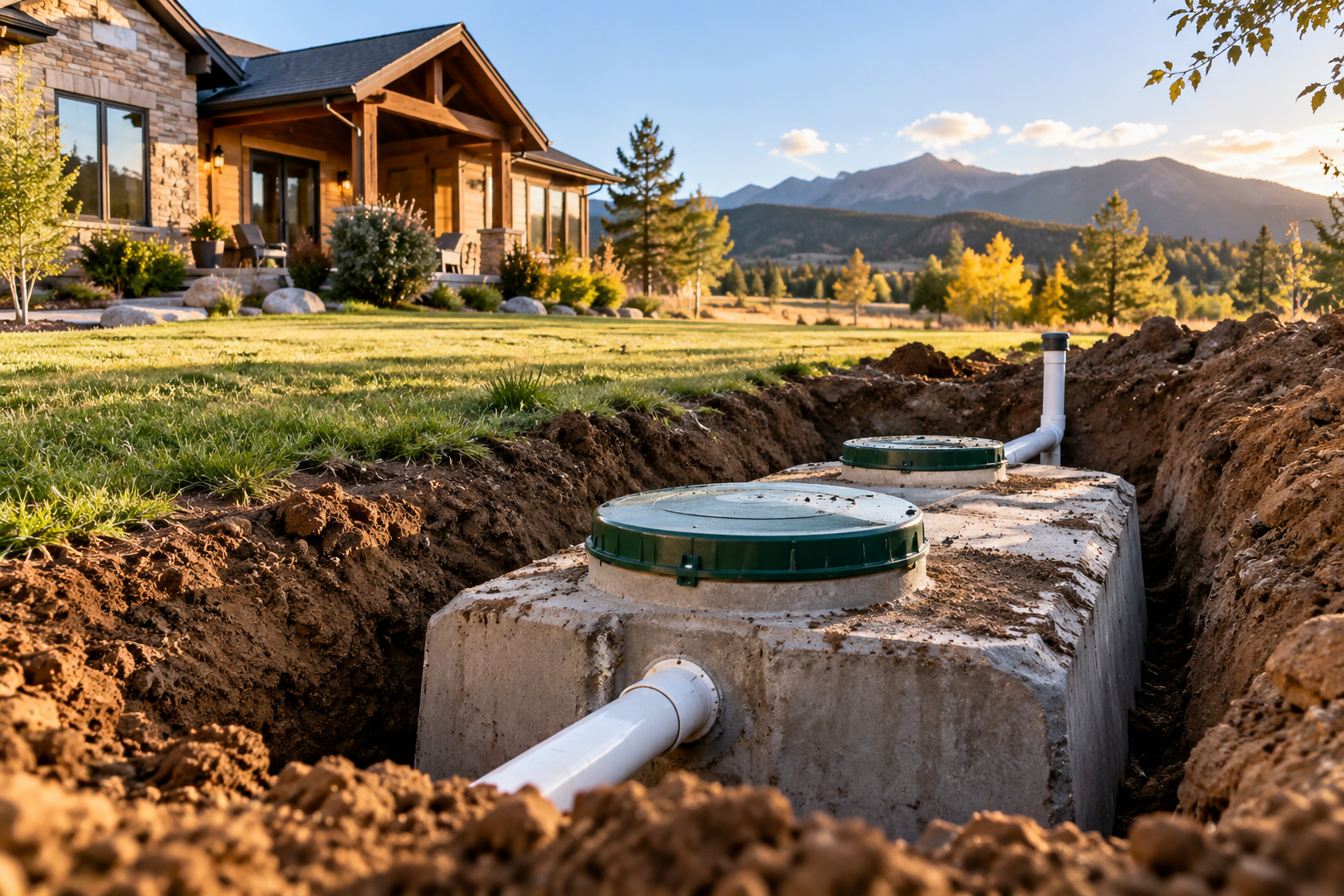
Unlike properties connected to a municipal sewer system, homes with septic systems manage wastewater on-site. The system needs to function properly, comply with applicable requirements, and be maintained over time.
In La Plata County, the septic system is also an important part of the property transfer process. Buyers and sellers should understand the inspection and permitting requirements early, rather than waiting until they are already under contract.
A septic issue discovered late in the transaction can lead to additional costs, repairs, negotiations, and possible closing delays. A little preparation can make a significant difference.
What Is La Plata County’s Continued Use Permit?
One of the most important things to understand when transferring a property with an existing septic system in La Plata County is the Continued Use Permit.
You may also hear people refer to the older transfer-of-title program. The terminology has changed, but the key point for buyers and sellers is that the county has requirements for evaluating an existing septic system when ownership changes.
The inspection helps determine whether the system is functioning properly and whether it matches the information on file with the county.
Here is the general process discussed in my video:
-
Schedule a qualified septic inspection. The inspection must be performed by a third-party inspector certified through the National Association of Wastewater Technicians, as described in the county process.
-
Have the system evaluated. The inspector checks the system's condition and whether it corresponds with the county's records and permit information.
-
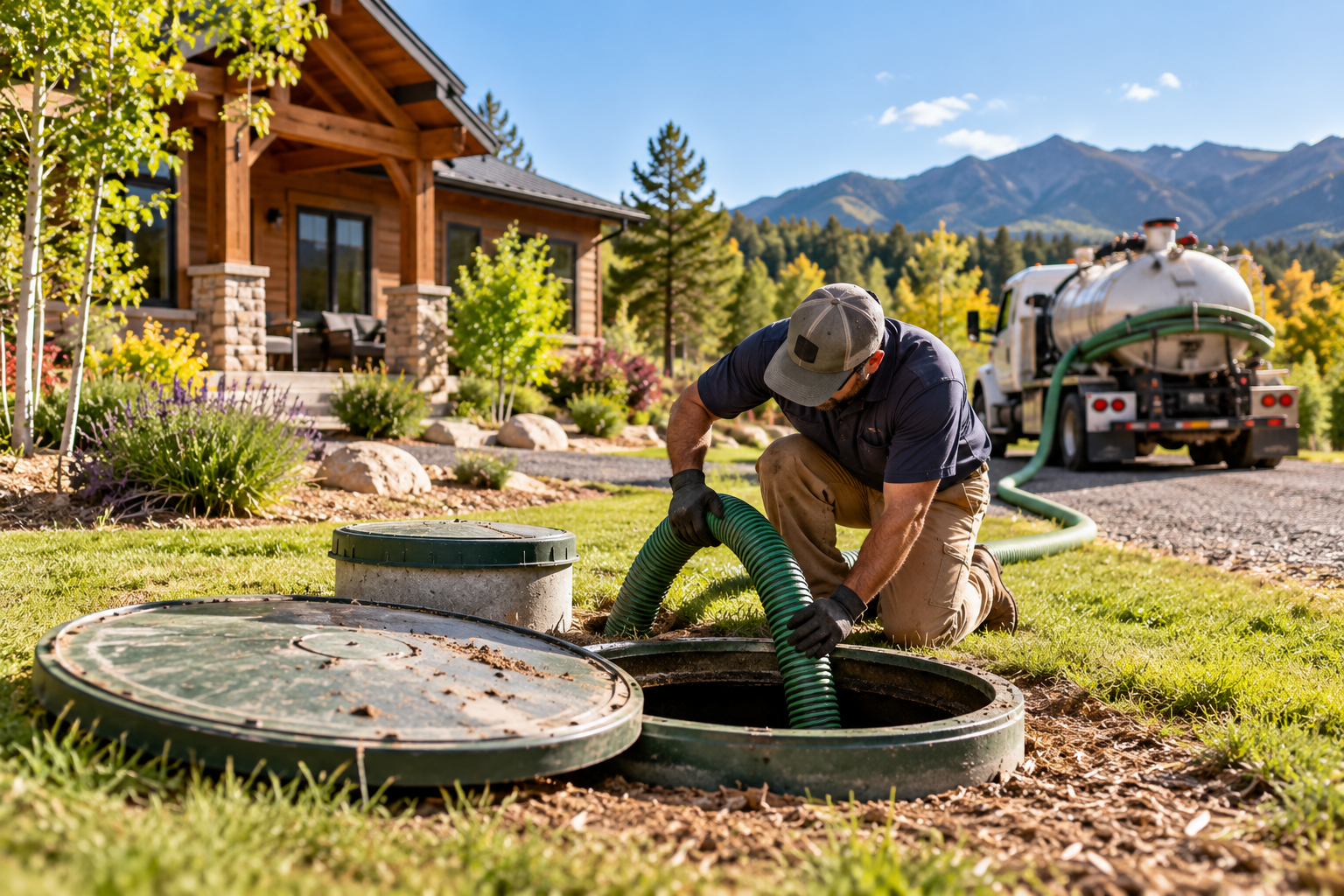
Complete any additional recommended work. Depending on the inspector and the system's condition, the septic tank may need to be pumped around the time of the inspection.
-
Submit the inspection report. The report is provided to La Plata County Public Health for review.
-
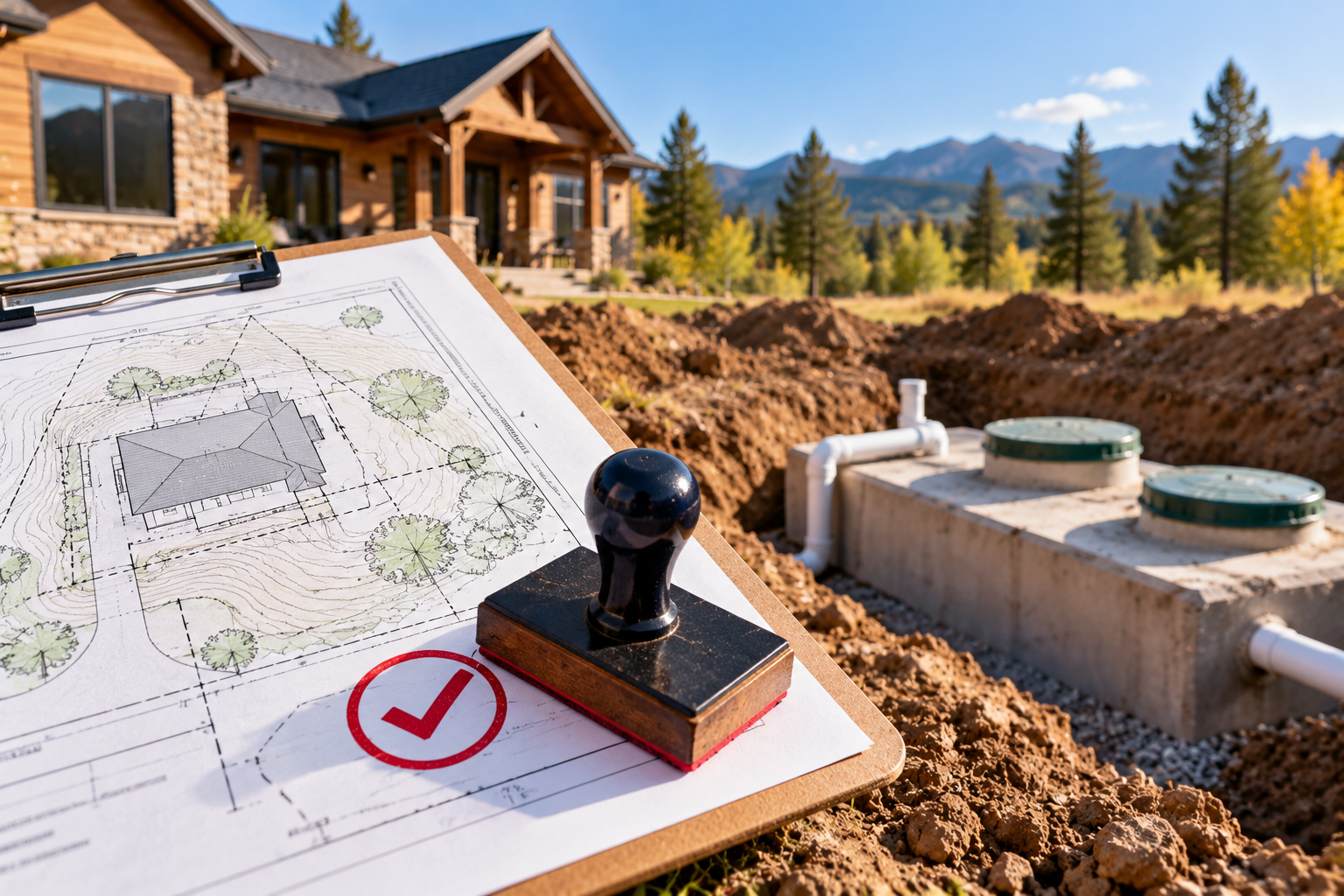
Obtain the required permit. If the system meets the applicable requirements, the county can issue the Continued Use Permit.
According to the process outlined in the video, the permit is valid for 12 months. Because county procedures and requirements can change, I recommend confirming the current requirements directly with La Plata County Public Health before scheduling an inspection or relying on a permit for an upcoming closing.
The important takeaway is simple: Do not assume that an existing septic system automatically satisfies the requirements for a property transfer.
Advice for Sellers: Inspect Your Septic System Before Listing
If you’re planning to sell a home in Durango, Bayfield, Hesperus, Ignacio, or another rural part of La Plata County, I recommend looking into the septic inspection early.
It can be tempting to wait until you have an accepted offer before dealing with the system. But if the inspection identifies a problem, you may have less time to resolve it before closing.
Imagine listing your home, finding a buyer, negotiating the contract, and making plans for your move. Then, during the transaction, the septic inspection reveals that the system needs repairs or does not match the permit information on file.
Now you may need to coordinate contractors, obtain approvals, pay for repairs, and work around the closing timeline. Depending on the nature of the issue, that process can take longer than expected.
Getting ahead of the inspection helps you understand the system's condition before a buyer is waiting for answers.
What if the septic system fails inspection?
If the system does not meet the applicable requirements or does not match its existing permit, additional work and permitting may be necessary before closing.
The type of issue matters. A relatively minor item, such as replacing a tank lid, may be handled differently from a larger repair that affects the system's operation or compliance.
More substantial repairs can require additional time, coordination, and expense. The specific steps depend on the issue and the county's requirements.
Before listing your home, consider taking these steps:
-
Locate any existing septic permits, inspection reports, and maintenance records.
-
Contact a qualified inspector to discuss the required inspection.
-
Ask whether the tank should be pumped as part of the process.
-
Find out whether any identified issues require repairs or additional approvals.
-
Allow enough time to address problems before you expect to close.
You do not necessarily need to complete every possible improvement before putting your property on the market. However, knowing the condition of the system gives you a better understanding of what to expect and helps you plan accordingly.
Advice for Buyers: Review the Septic Report Carefully
If you're purchasing a home with a septic system, the inspection and permit process is there for an important reason. It helps identify potential concerns before you take ownership of the property.
I encourage buyers to ask for the available septic documentation and review it carefully.
Do not simply assume that a system is in good condition because the home has been occupied for years. A system may have been functioning adequately for the previous owners while still needing maintenance, repairs, or further evaluation.
Before moving forward, consider asking:
-
Is there a current Continued Use Permit?
-
Has the required inspection been completed?
-
Does the inspection report identify any deficiencies?
-
Does the system match the county's permit records?
-
Has the septic tank been pumped recently?
-
Are repairs or follow-up inspections recommended?
-
Are there any outstanding requirements that could affect closing?
If something in the report is unclear, ask your real estate broker, inspector, or the appropriate county department for clarification.
It is also important to understand the difference between an inspection that identifies a concern and a determination that the system complies with all applicable requirements. Make sure you know what has actually been evaluated and what remains outstanding.
Why this matters for rural properties
Many homes throughout Southwest Colorado rely on private septic systems. This is particularly relevant when you're considering acreage, a mountain home, or a property outside the boundaries of a municipal sewer system.
When you're evaluating a property, the septic system is part of the overall due diligence process, along with the well, water rights, access, easements, and other property-specific considerations.
A home may check all the boxes on your wish list, but you still need to understand the condition and requirements of the infrastructure that supports it.
Selling or Buying During Winter? Plan Ahead
Winter can add another layer of difficulty to septic inspections in Southwest Colorado.
As we move into the colder months, snow cover and frozen ground can make it more challenging for inspectors to access parts of a septic system. Depending on the property's layout and the weather conditions, completing the inspection may become more complicated.
This is particularly important for sellers who plan to list during winter or early spring. If you wait until a buyer is under contract, you may discover that weather conditions are affecting your ability to complete the required process on schedule.
What is a conditional permit?
In certain circumstances, the county may allow a conditional permit when an inspection cannot be fully completed under the applicable conditions. As discussed in the video, this option may require the buyer to agree in writing to complete the remaining requirements later.
However, a conditional permit should not be treated as an automatic alternative to the standard process. Eligibility, documentation, and the conditions that apply must be confirmed with La Plata County Public Health.
From a practical standpoint, most buyers and sellers would prefer to resolve septic requirements before closing rather than leave an outstanding task for later.
If you are planning to sell this winter or in the spring, starting the process early can give you more options and reduce the chance of weather-related delays.
How Septic Issues Can Affect a Real Estate Transaction
A septic inspection is not just another item on a checklist. The results can affect the timing, costs, and negotiations involved in buying or selling a property.
For sellers, unexpected repairs may affect the amount of money you receive from the sale. For buyers, an issue with the system may lead to questions about who will complete the work, how much it will cost, and whether the property can close on schedule.
Depending on the circumstances, buyers and sellers may need to discuss:
-
Responsibility for required repairs.
-
The timing of contractor work.
-
Whether additional permits or approvals are needed.
-
How outstanding items affect the closing date.
-
What documentation must be provided before closing.
These conversations are easier when both parties have accurate information and enough time to make decisions.
As a real estate broker, my goal is to help clients identify these issues early, understand their options, and communicate clearly throughout the transaction. Every property is different, so the right approach depends on the inspection findings, county requirements, contract terms, and the needs of the people involved.
Septic Systems Are Just One Part of Southwest Colorado Due Diligence
When you buy or sell property in Southwest Colorado, there are often details that go beyond the home itself.
Depending on the location, you may need to consider private wells, water rights, irrigation systems, road maintenance, easements, propane, outbuildings, acreage, and access to utilities.
These details can be especially important for rural properties around Durango, Bayfield, Ignacio, Hesperus, and the surrounding La Plata County communities.
For buyers, understanding these systems helps you make an informed decision about the property you're purchasing. For sellers, gathering records and addressing known issues ahead of time can help you prepare for questions and reduce surprises during escrow.
That is why I encourage clients to look at the entire property, not just the house. The more you understand before closing, the better prepared you are to move forward.
Planning to Buy or Sell a Home with Septic in La Plata County?
If you're thinking about selling a home with a septic system, don't wait until you're under contract to find out what may be required. Start gathering your records, confirm the current county process, and consider arranging the necessary inspection before listing.
If you're buying, take time to review the septic report, ask questions, and understand any outstanding requirements before closing.
At Blackmore Group Realty, we help buyers and sellers navigate the details that make Southwest Colorado real estate unique. Whether you're purchasing your first rural home, selling a longtime family property, or looking for acreage outside Durango, having a clear plan can help you move forward with greater confidence.
Thinking about buying or selling in Durango, Bayfield, or elsewhere in La Plata County? Let's talk about your property and how to prepare for the process.
Ashley Blackmore | Broker 📞 Call or text: (970) 903-7477 📧 Ashley@homesforsaledurango.com
Watch the Full Video
Want the quick explanation of La Plata County's septic inspection and Continued Use Permit process? Watch my video, Buying a Home with Septic in La Plata County, Colorado? What You Need to Know.
Note: This article is for general educational purposes and is not a substitute for guidance from La Plata County Public Health, a qualified septic inspector, or legal and contract advice. Confirm current permit requirements, inspection procedures, and deadlines with the county before making decisions about a property transfer.
Recent Posts





Leave a reply