New Construction vs Resale Homes in Durango

New Construction vs Resale Homes in Durango
Sooner or later most Durango buyers hit this fork. Buy a place somebody already lived in, or go new. Both work. They're just different animals, and the right pick depends on what you value, how patient you are, and what you're willing to trade. Get it right and you settle in happy. Get it wrong for your situation and you spend years wishing you had gone the other way.
I've helped buyers go both directions and be happy. I've also seen people pick the wrong one for their situation and grind their teeth about it for years. So let's talk through it honestly.
What "new construction" actually means here
In Durango, new construction usually shows up in a few forms. There's the master-planned neighborhood, where a developer lays out streets and lots and either builds homes or sells lots to builders. There's the custom build, where you buy land and put up exactly what you want. And there's the spec home, already built or nearly done, that you buy like any other house.
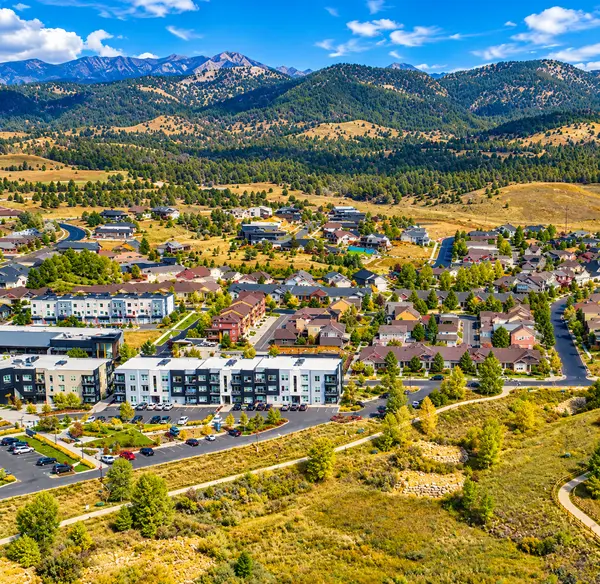
A handful of newer neighborhoods drive most of the in-town new-build activity. Three Springs, the master-planned community out near Mercy Hospital on the southeast side, covers a large footprint and keeps adding homes. Twin Buttes sits on the west edge of downtown with its own trail network. Edgemont Ranch and the Highlands stretch east of town along the highway. Sky Ridge is another newer pocket. Each has its own vibe, price band, and rules.
One thing worth flagging right away. Several of these newer neighborhoods don't allow short-term rentals. The city specifically lists Twin Buttes, Three Springs, Rock Ridge, and Sky Ridge as off-limits for vacation rentals (City of Durango, 2026). If renting nightly was part of your plan, that rules them out, new build or not.
The case for new construction
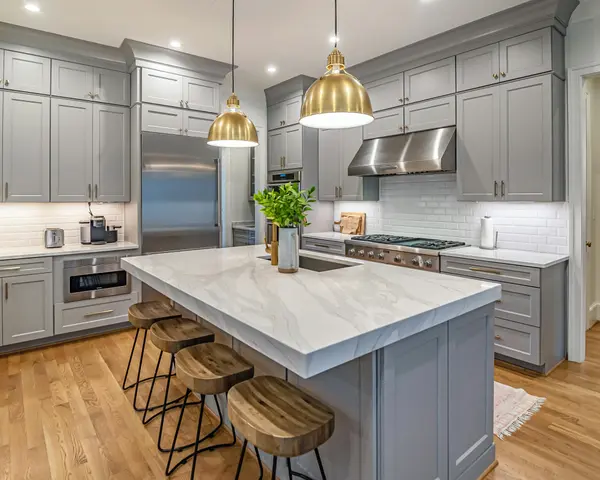
New homes come with obvious appeal. Everything's fresh. The roof, the furnace, the water heater, the appliances, all of it has its full life ahead, so you're not staring down a $15,000 roof replacement in year three.
Mountain building codes have tightened over the years, which works in your favor. Newer homes tend to be better insulated and tighter, which matters a lot when January nights drop into the single digits. Both the city and county also require new homes to be built so a radon mitigation system can be added, which is smart given that La Plata County averages about 5.5 pCi/L and roughly half of local homes test above the EPA action level (La Plata County Public Health, 2026). Starting with that infrastructure in place is one less thing to retrofit.
You also get to make it yours. On a custom or early-phase build, you pick finishes, layouts, the orientation that catches the morning light or frames the ridgeline. That's hard to put a price on.
The trade-offs. New construction usually costs more per square foot. It takes time, sometimes a lot of it, and mountain building seasons are short, so weather and labor can push your timeline. Landscaping is often bare to start, so that mature aspen shade you wanted is fifteen years away. And new neighborhoods can feel a little raw until they fill in.
The case for resale homes
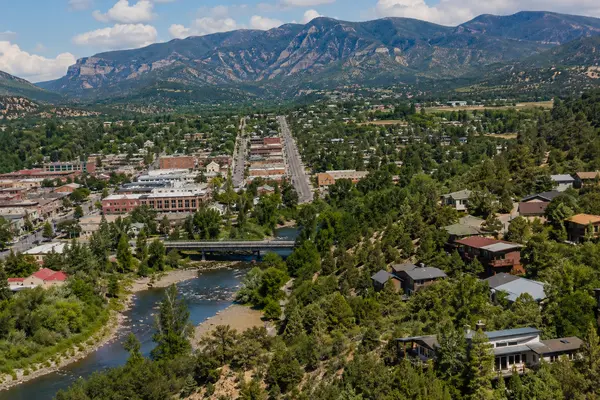
Existing homes have their own strong pull. Often the biggest one is location. The established neighborhoods, the historic district downtown, Animas City, the older parts of the Animas Valley, those got built first because they sit on the best ground, closest to town, with the big trees and the walkability. You generally can't build new there because there's nothing left to build on.
Resale homes usually cost less per square foot than equivalent new construction, and what you see is what you get. The yard's already landscaped. The quirks are visible. You can walk through and feel how it lives instead of reading it off a floor plan.
The trade-offs run the other way. Older homes carry age. Roofs, furnaces, wiring, plumbing, all of it has miles on it, and you inherit the timeline. Older Durango homes can hide knob-and-tube wiring, aging septic systems, or a roof that's quietly nearing the end. That's exactly why the inspection matters so much on a resale, and why radon testing is close to mandatory on any home here regardless of age.
There's also a negotiation angle worth knowing. Resale homes have a history, days on market, prior price changes, the seller's own timeline, and all of it can give a buyer room to negotiate that you rarely get on a fresh new build with a fixed price list. A resale that's been sitting since summer, with a seller who doesn't want to carry it through winter, is a very different conversation than a builder holding firm on a base price. Your agent can pull that history and read where the leverage is.
One more thing buyers miss on new construction. Many newer Durango neighborhoods sit inside a metro district or carry HOA dues that fund the roads, trails, and shared amenities, and that's a real monthly or annual cost on top of your mortgage. It's not a reason to avoid them, the amenities are often part of the appeal, but factor it into your budget and ask exactly what the dues and any metro-district mill levy add up to before you commit.
How the buying process differs
The mechanics aren't identical either.
With a resale, you make an offer, negotiate, inspect, and close, usually inside 30 to 45 days on a financed deal. Straightforward.
With new construction, it depends. A finished spec home buys a lot like a resale. But a build-to-order or custom home means a builder contract, draw schedules, allowances, change orders, and a closing date that can move. Builder contracts also tend to favor the builder, so having your own agent in your corner, reviewing terms and watching the timeline, genuinely matters. Don't assume the on-site sales rep is working for you. They're working for the builder.
So which should you pick?
Rough guidance, not gospel. New construction tends to suit buyers who want low maintenance for the next decade, energy efficiency, and the chance to personalize, and who can wait and pay a bit more for it. Resale tends to suit buyers who want an established location, mature landscaping, a lower price per foot, and the ability to move in next month.
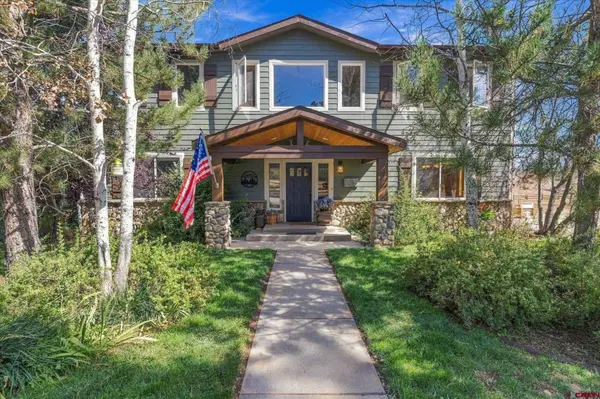
There's no universally right answer. There's a right answer for you, and it usually gets clear once you've walked a few of each and felt the difference. Sometimes the new-build energy efficiency wins. Sometimes the hundred-year-old craftsman two blocks from Main Avenue grabs somebody and won't let go. The smart move is to keep an open mind and look at both, because the house that wins you over is often not the one you expected walking in.
Questions to ask before you buy new construction
If you lean toward new, a little interrogation up front saves a lot of grief later. Ask the builder these.
What's included versus an upgrade? Model homes are loaded with upgrades, and the base price rarely reflects what you saw. Get the standard finishes in writing so you know what your actual money buys. What's the real timeline, and what happens if it slips? Mountain building seasons are short, and weather and labor delays are common, so understand how delays are handled and whether your rate lock can survive them. Who handles the landscaping, and what's the lot like to start? Bare dirt and a young tree are common, so budget for the yard you actually want.
Also ask about the things that matter at altitude. How's the home insulated and sealed, since that drives your winter heating bills? Is a radon mitigation system already active, or just roughed in for later install, given the county requires new homes to be built so a system can be added (La Plata County Public Health, 2026)? And what's the heat source and how efficient is it? These boring questions separate a comfortable, affordable-to-run home from one that bleeds money every January.
Warranties and the new-construction safety net
One genuine advantage of new construction is the warranty. Most builders provide a warranty covering workmanship and materials for a period after closing, often a year on many items with longer coverage on major structural components. That's a real cushion an older home doesn't give you.
But read it. Warranties vary a lot builder to builder, and they spell out exactly what's covered, for how long, and how you make a claim. A reputable local builder with a track record and a solid warranty is worth more than a slightly cheaper unknown. Ask around town about the builder's reputation, because in a community this size, the good ones and the problem ones are both well known. Your agent can usually tell you which is which.
Even with a warranty, get your own independent inspection on new construction. People assume a brand-new home is flawless. It isn't. Inspectors find missed details, rushed work, and code issues on new builds regularly, and catching them while the warranty is fresh and the builder's still around is far easier than discovering them in year three.
Frequently Asked Questions
Is new construction more expensive than resale in Durango?
Usually, per square foot, yes. New homes carry higher build costs, current code requirements, and fresh systems. Resale homes often cost less per foot but come with aging components you'll eventually replace.
What new neighborhoods are being built in Durango?
Active newer neighborhoods include Three Springs near Mercy Hospital, Twin Buttes on the west side of downtown, Edgemont Ranch and the Highlands to the east, and Sky Ridge. Each has its own price band and rules.
Can I short-term rent a new construction home in Durango?
Often no. The city lists Twin Buttes, Three Springs, Rock Ridge, and Sky Ridge as not allowing vacation rentals (City of Durango, 2026), and other HOAs restrict them too. Confirm the zoning and HOA before buying if renting is your plan.
Do new homes in Durango come with radon mitigation?
New homes are required to be built so a radon mitigation system can be installed, which matters given La Plata County's elevated radon levels (La Plata County Public Health, 2026). Whether an active system is already running varies, so confirm with the builder.
Do I need my own agent to buy new construction?
Yes, and it's smart to have one. Builder contracts tend to favor the builder, and the on-site sales rep represents them, not you. Your own agent reviews the terms and protects your interests at no cost to you in most cases.
Do I still need an inspection on a brand-new home?
Yes. New homes aren't flawless, and inspectors regularly find missed details, rushed work, and code issues on new builds. Catching them while the builder's warranty is fresh is far easier than discovering them years later.
What warranty comes with new construction in Durango?
Most builders provide a warranty covering workmanship and materials, often around a year on many items with longer coverage on major structural components. Coverage varies by builder, so read exactly what's included and how to make a claim before you buy.
Trying to decide between new and existing?
Walking a few of each with someone who knows the local builders and neighborhoods makes the choice a lot clearer. Ashley Blackmore and the team at HOMESFORSALEDURANGO.COM help buyers weigh new construction against resale across Durango and La Plata County and find the right fit.
Call (970) 444-2431 or connect through HOMESFORSALEDURANGO.COM.
Recent Posts

Leave a reply